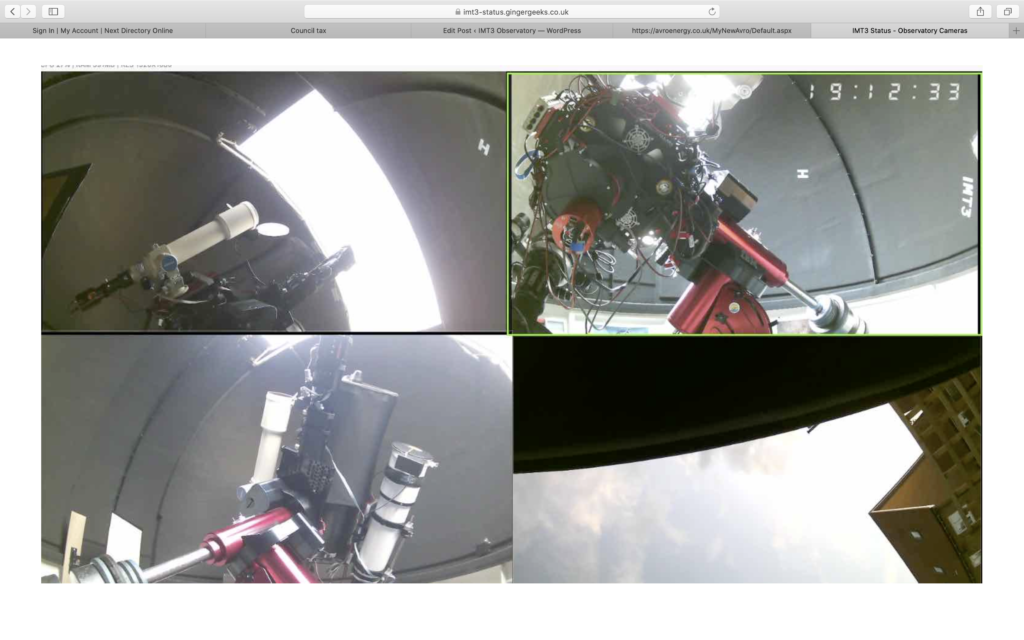
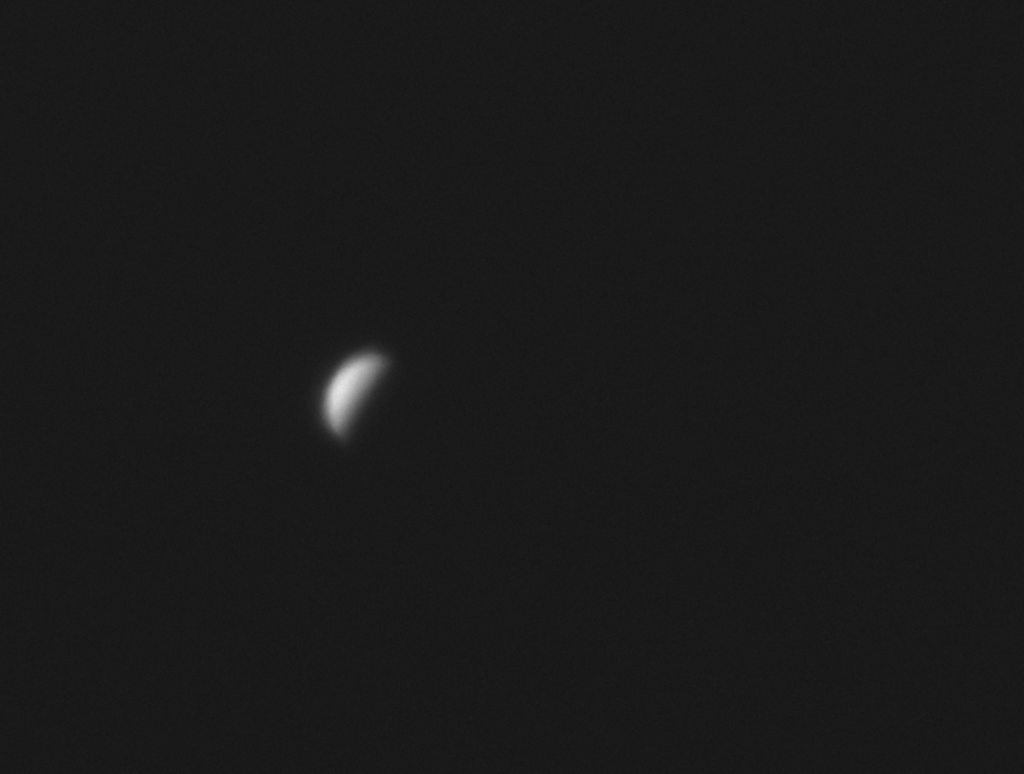
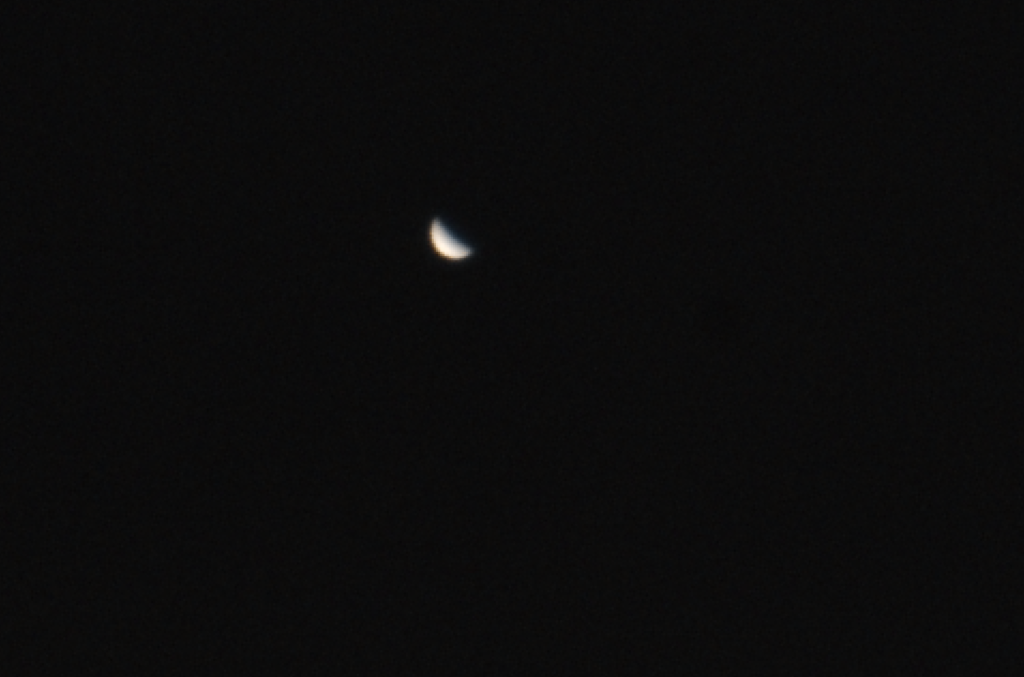
So early on as always I opened the dome to cool down. Tonight Bob, Gingergeek and I want to image Venus in the Pleiades. Even before it got dark and as I slewed the telescopes to Venus, it was visible straight away so I took a quick image, 0.001s from both the 12″ and Bob’s FS102.
Venus 0.001s exposure from the OS 12″ during daytimeVenus 0.001s exposure from the Tak FS102 during daytime
I then went off to watch TV with Helen whilst Gingergeek and Bob grabbed some more images of Venus.
Around 10pm I re-joined Bob and GingerGeek and we set about imaging Venus as it passed by M45 Pleiades in the Tak FS 102. We then went on to perform autofocus on the Tak followed buy setting up the autofocus on the Esprit 120ED
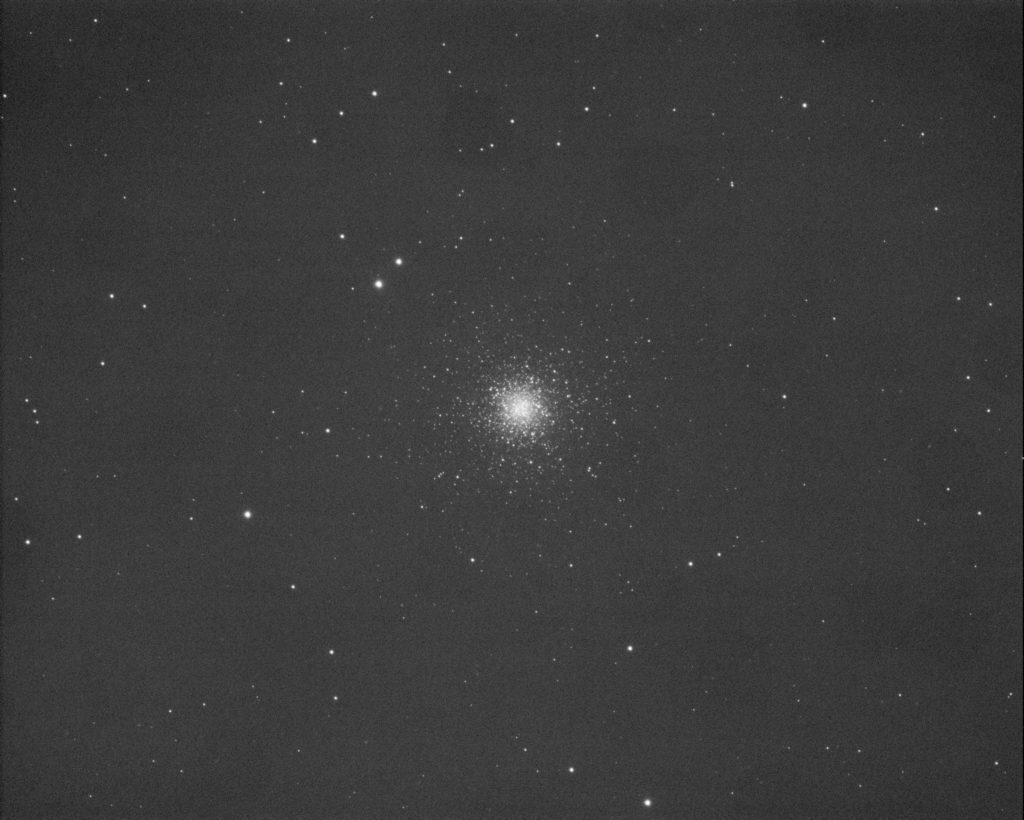
Before the clouds decided to put a stop to play, we took some images of M53 the globular cluster on the Esprit around 00:10am using the Luminance filter.
Quick stack and stretch of M53 from Skywatcher Esprit 120 ED
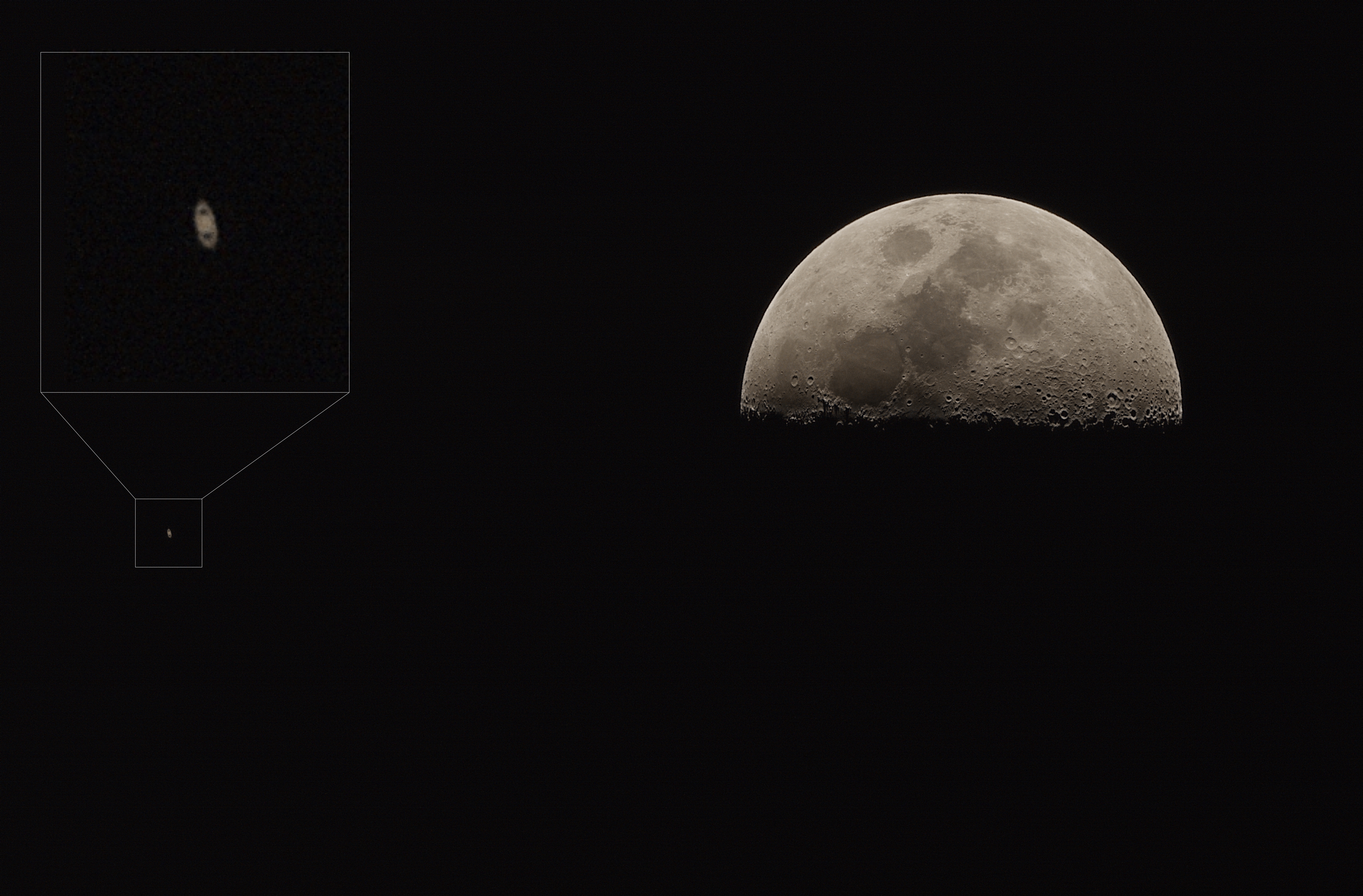
This evening started with the Moon high in the sky and waxing its way to half. Next to it Saturn sat, close in fact, so close I pointed the scope at it, around 22:30 and both the Moon and Saturn fit in the same field of view 🙂
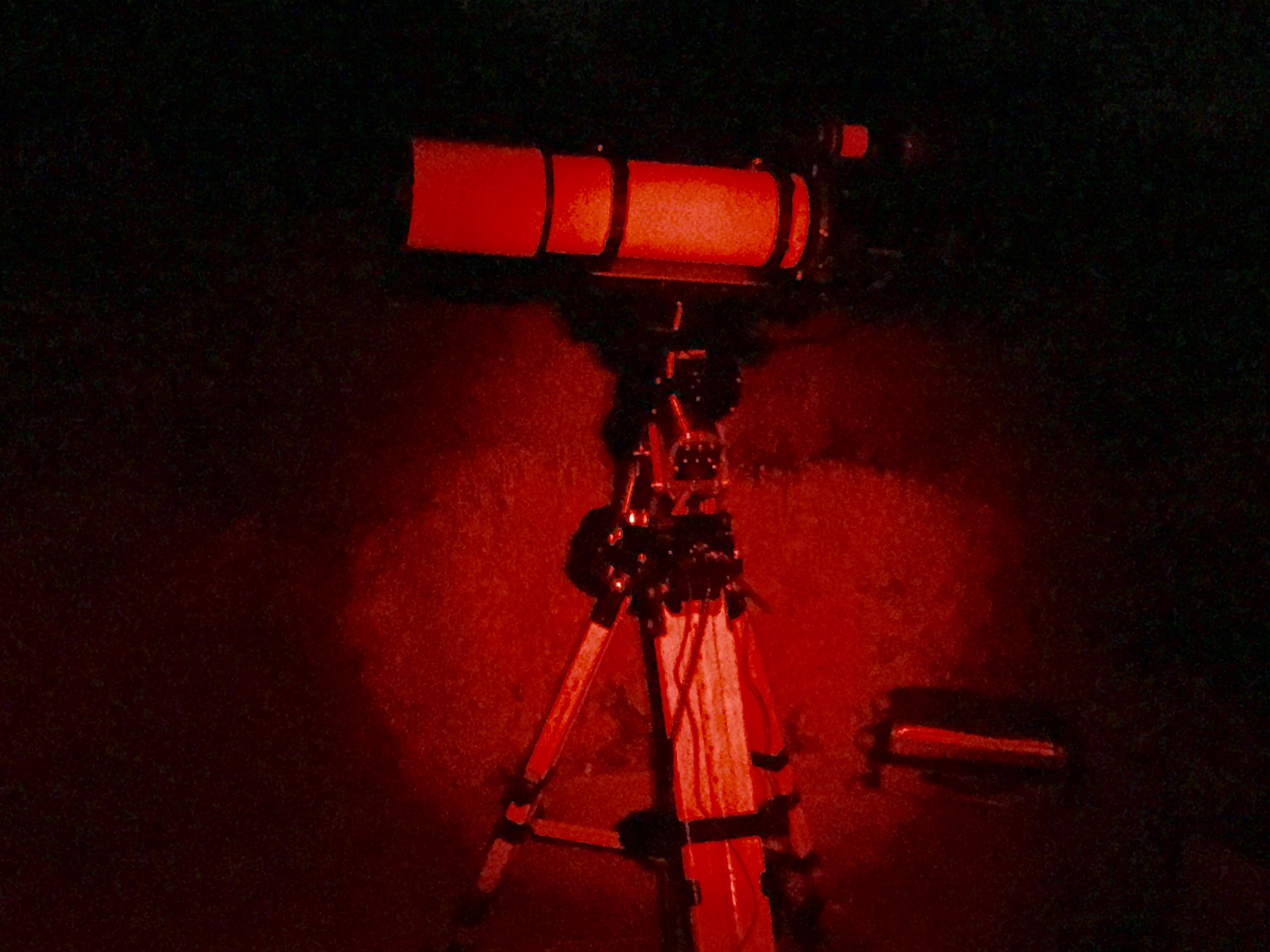
So I took a few exposures, worried that either the Moon would be overexposed or Saturn underexposed. I settled on 0.001s and took a bunch of shots. Below is my setup by the light of my rather bright head torch, turned on only for this photo I might add.
Esprit 120 and MyT
Next it was back to trying to resolve the guiding issues that had troubled me the night before. The good news was Tom from the Software Bisque website (not the Tom Bisque, another Tom) had come back with a few suggestions and questions that made me think. I had a good set of guide stars to choose from.
Hw many guide stars!
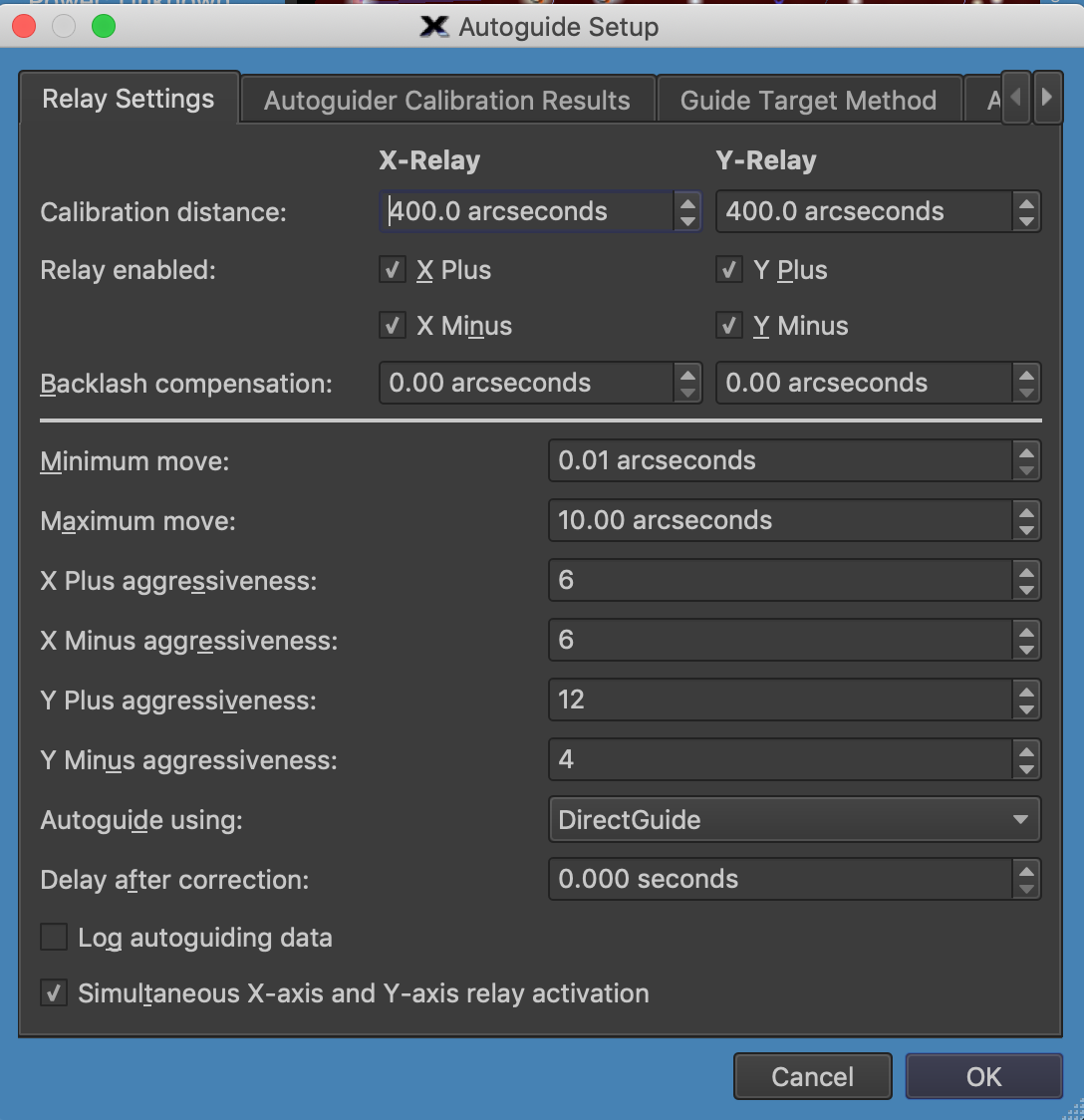
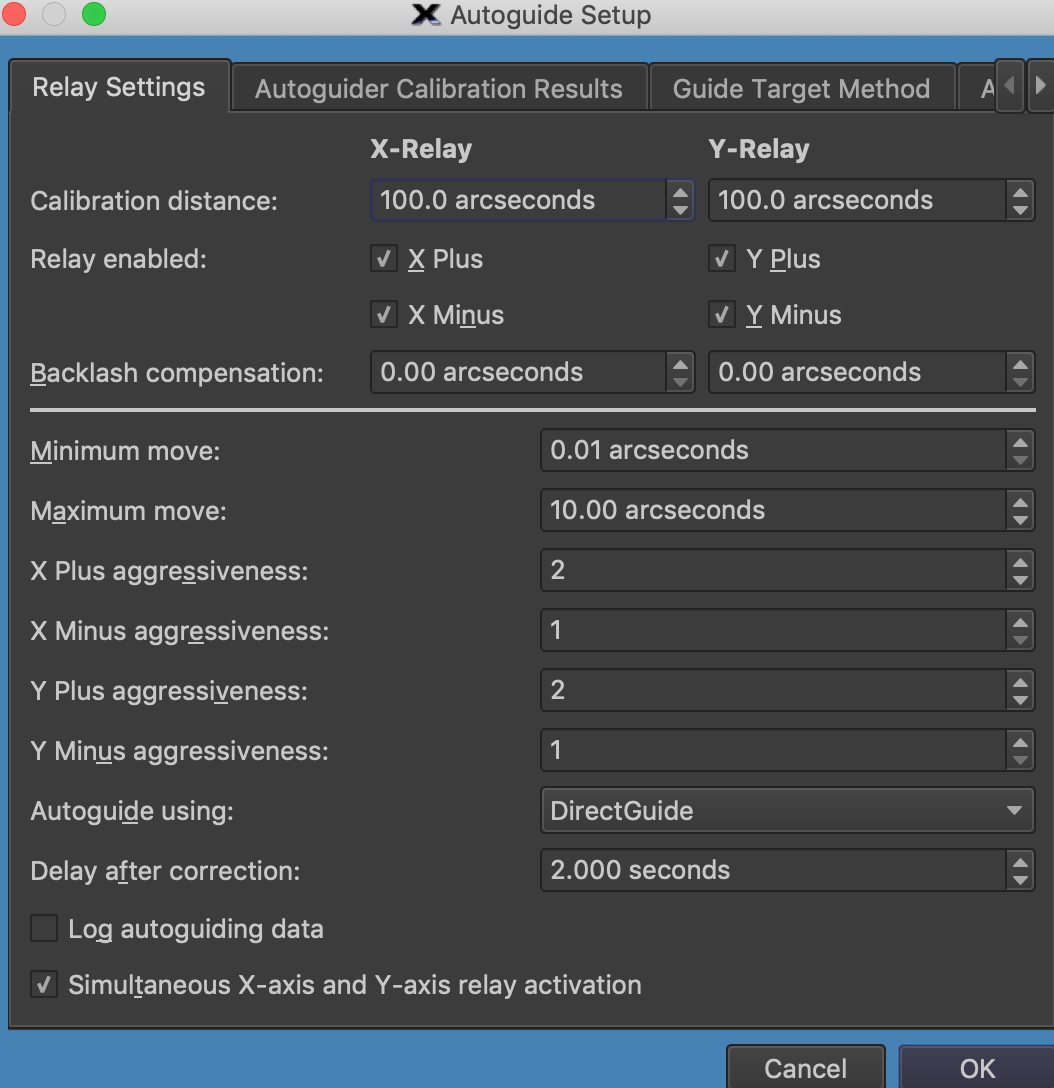
The autoguide Setup window is where I would spend most of my time I was sure, changing parameters.
Guider settings
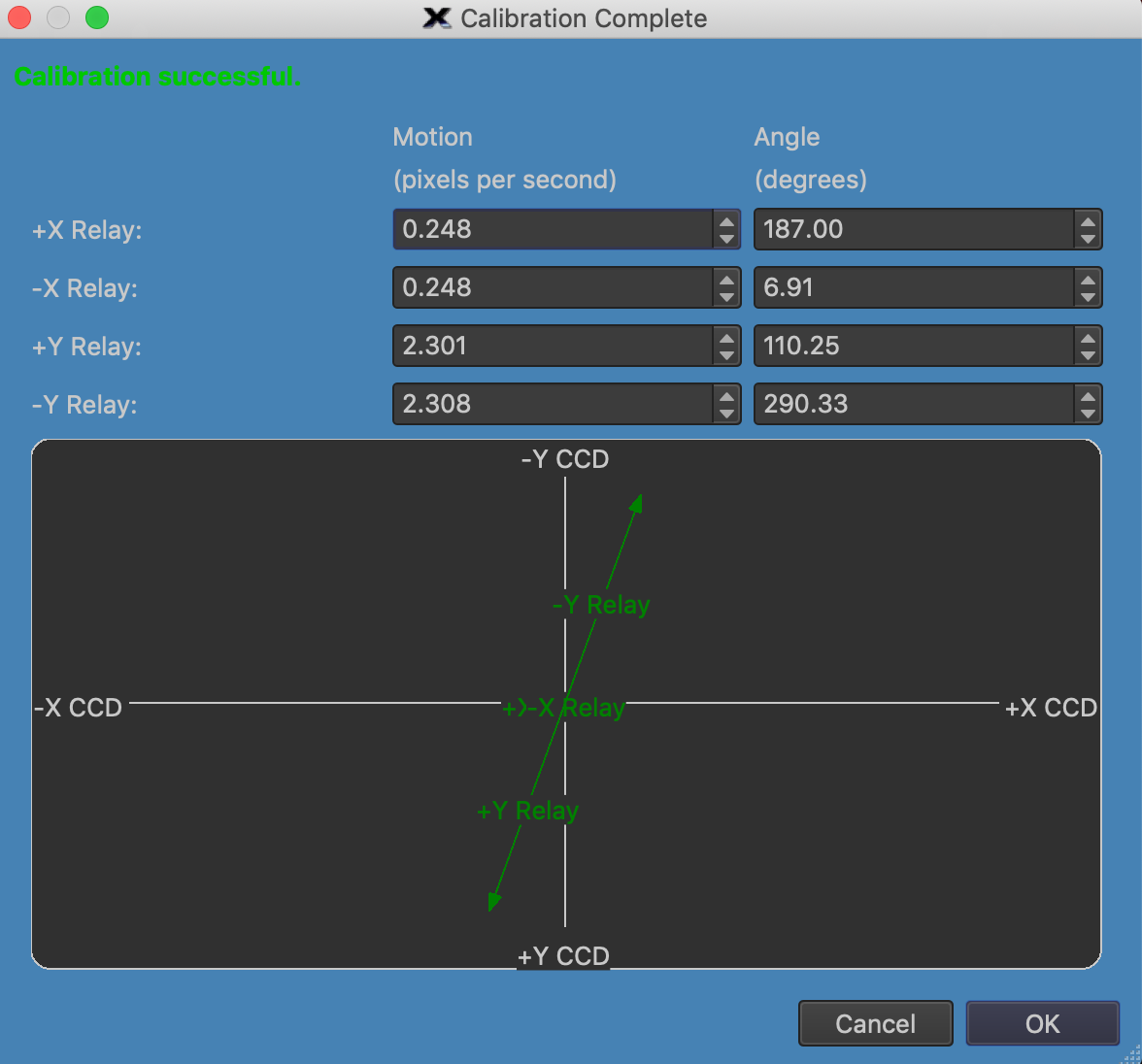
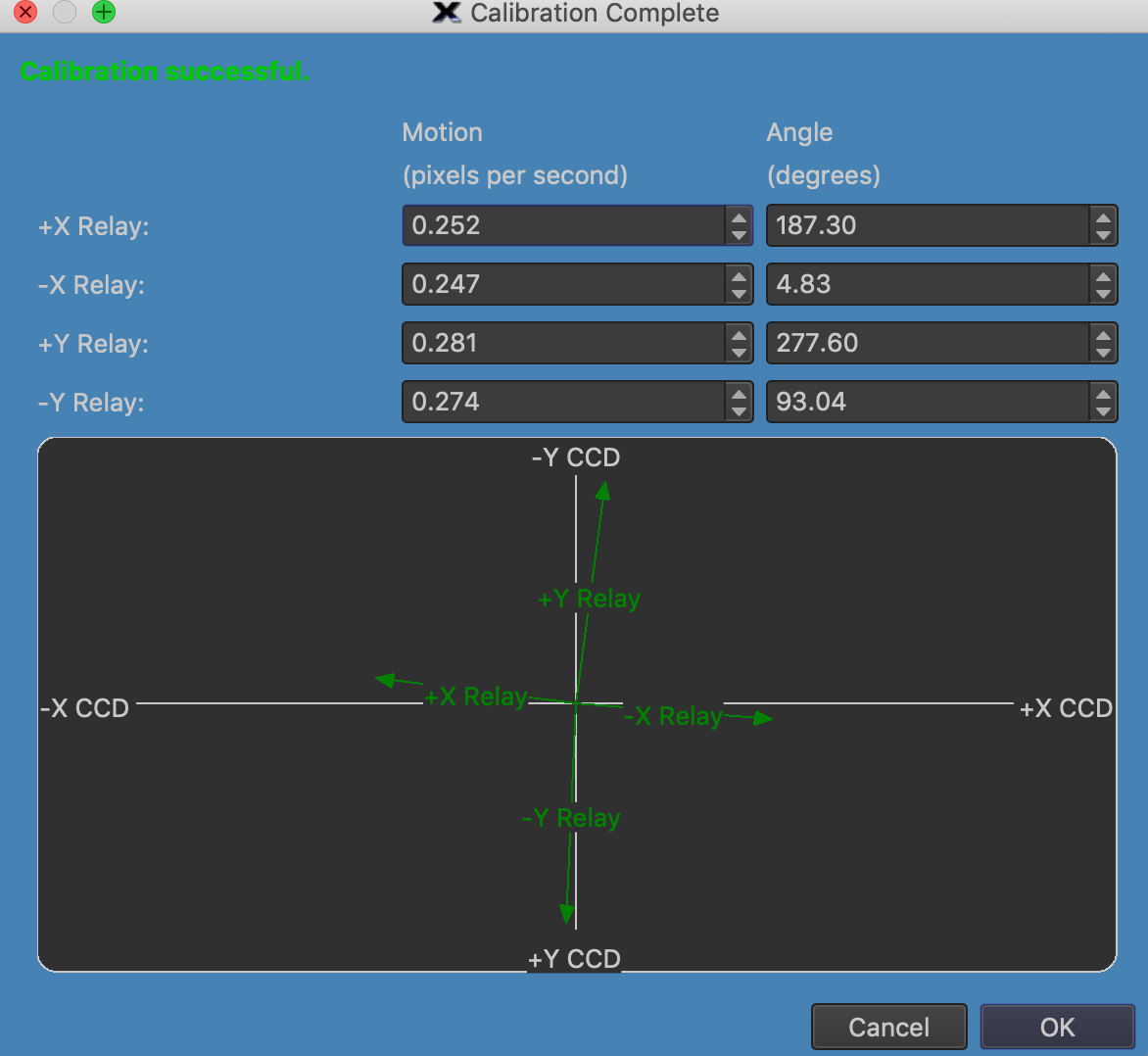
I recalibrated the mount, this time using 100arcsec as the parameter. The previous calibration run produced a rather short cross.
Poor calibration ?
This gave me a better ‘cross’ and I think should improve the guiding, although I am still skeptical about just how quick it calibrates, some 4-5 seconds.
Better calibration
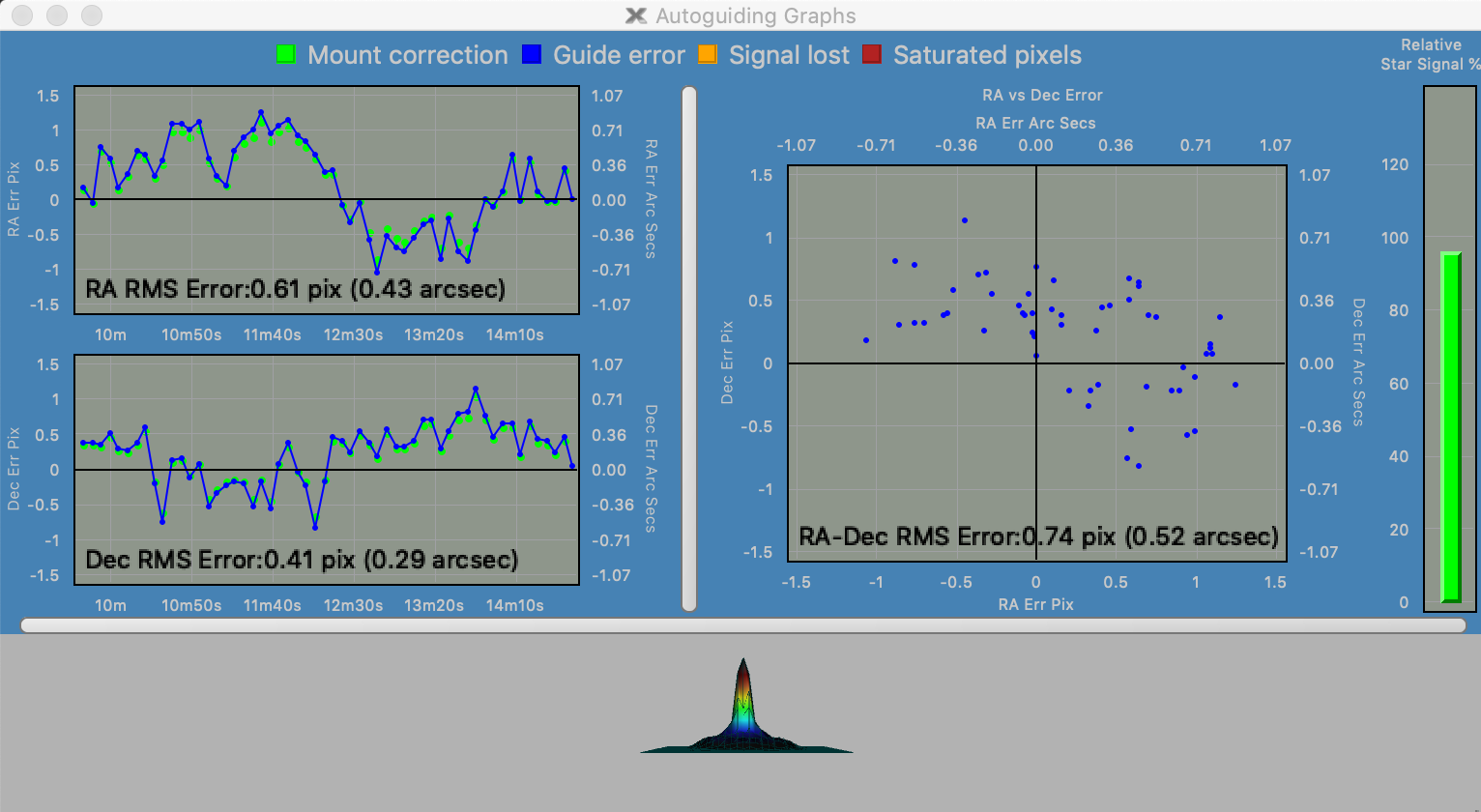
Back to guiding the mount was still all over the place, I am convinced it is overcorrecting, on the basis if I don’t guide I get better stars up to 45s or so. I added in a much longer settle period and this seemed to help, but still the graph is a long way from the sort of guiding I was getting before they updated the software.
Poor guiding
The wind was a bit gusty tonight as last night and for sure this was not helping, you can tell from a few exposures it was wind related jumps and drifting
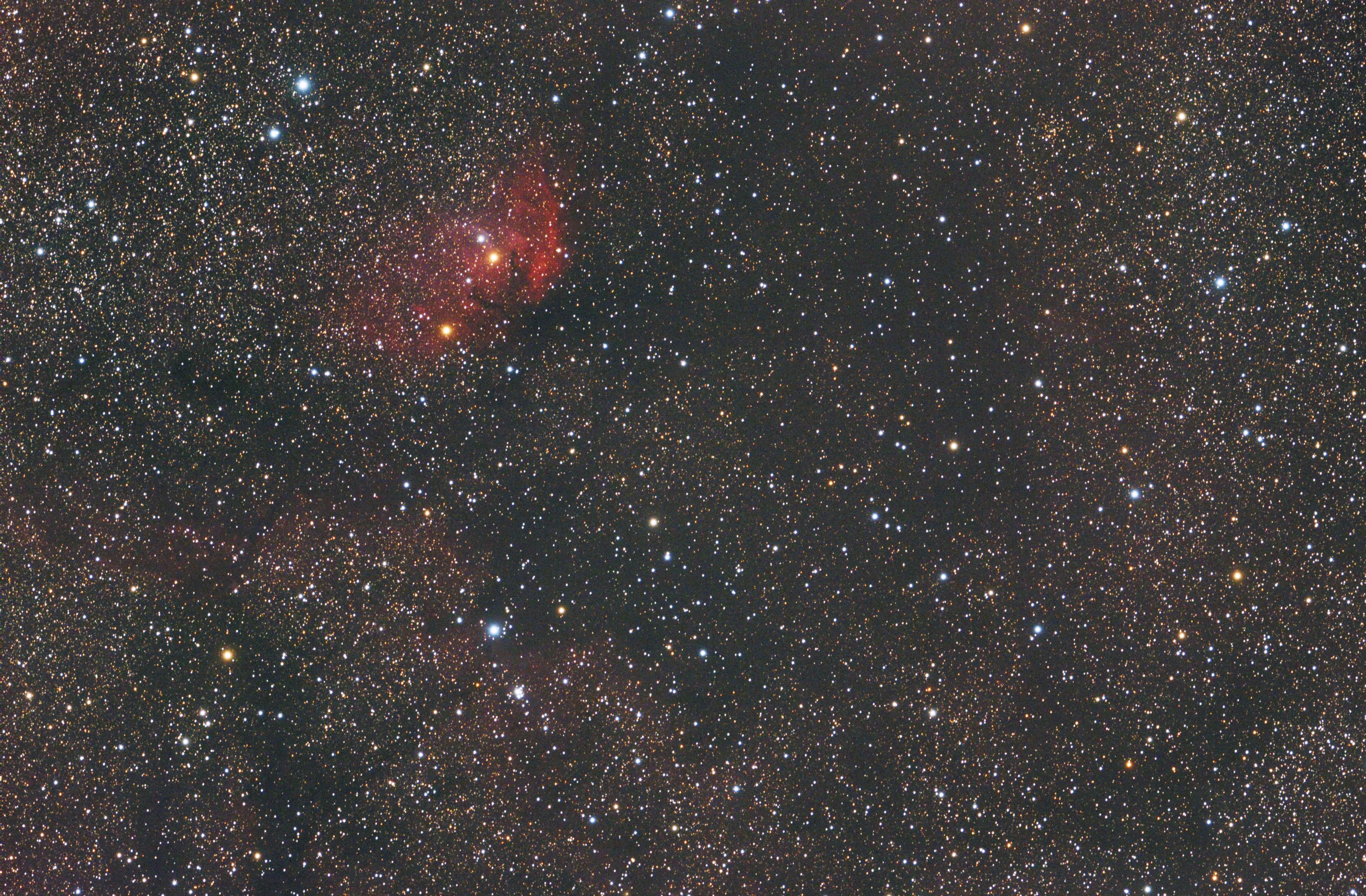
I sat back after a while of changing different settings feeling that it was not improving, so I took a whole bunch of images, only 90s of the Sharpless object Trevor had mentioned, SH2-101 which is called the Tulip nebula. Trevor had produced a lovely image from his 14″ in the UK so I thought I would have a quick go, knowing most of the frames would be lost.
Final set of guider settings
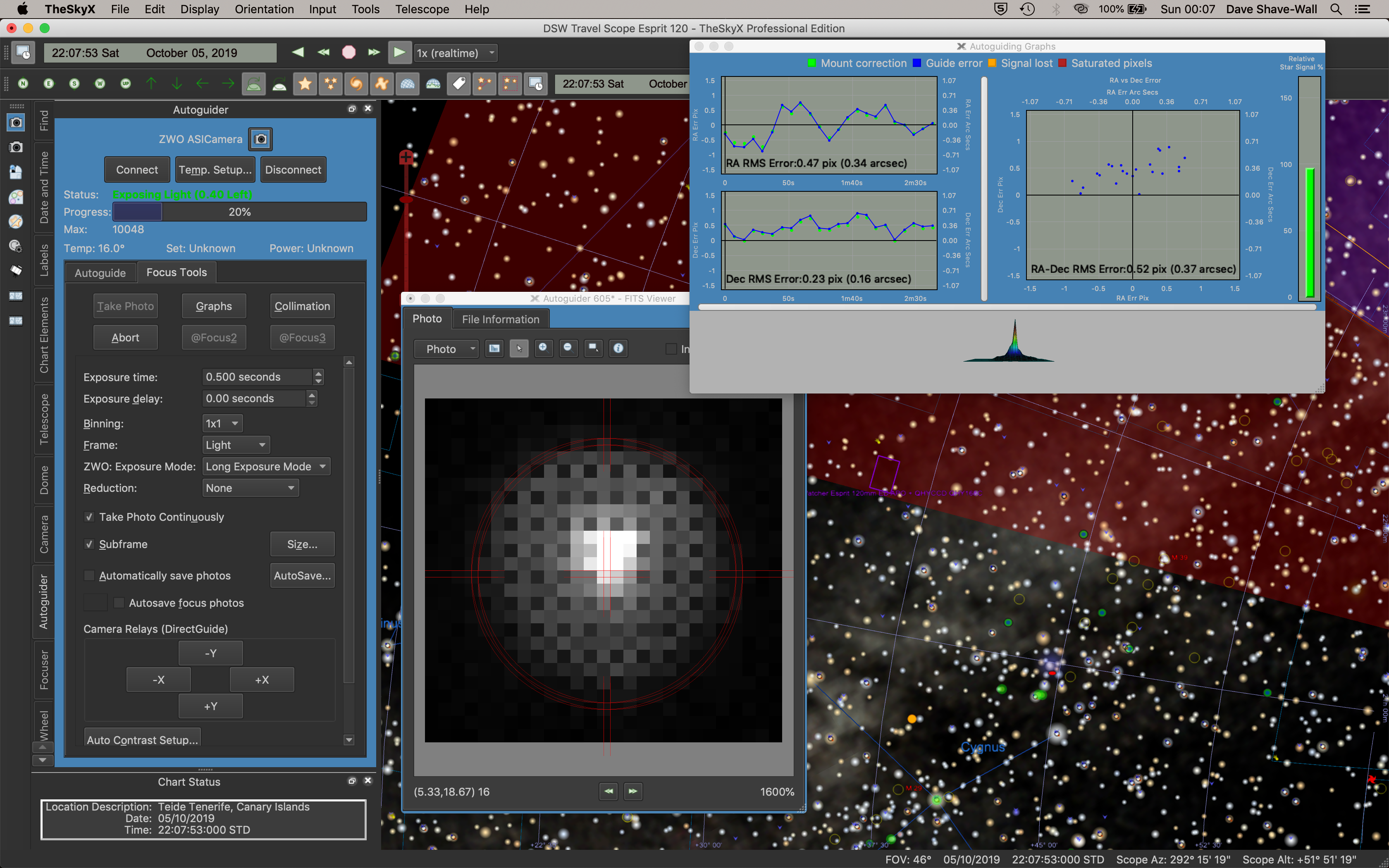
So by 00:30 I decided to start to pack up, the wind had picked up, I was cold, the guiding was still a problem, so by just gone 1am I was heading down the mountain, some 1 hour and 20min drive! The final view from the bridge as it were was this.
View from TSX
The next day I processed the data for the Sharpless object and it was ok, given the short amount of data. One for the 12″ I think.
SH2-101 Tulip Nebula
Meanwhile I processed a single image of the Moon and Saturn and was pleased with the result as seen above. Here is a version with Saturn as an insert.